
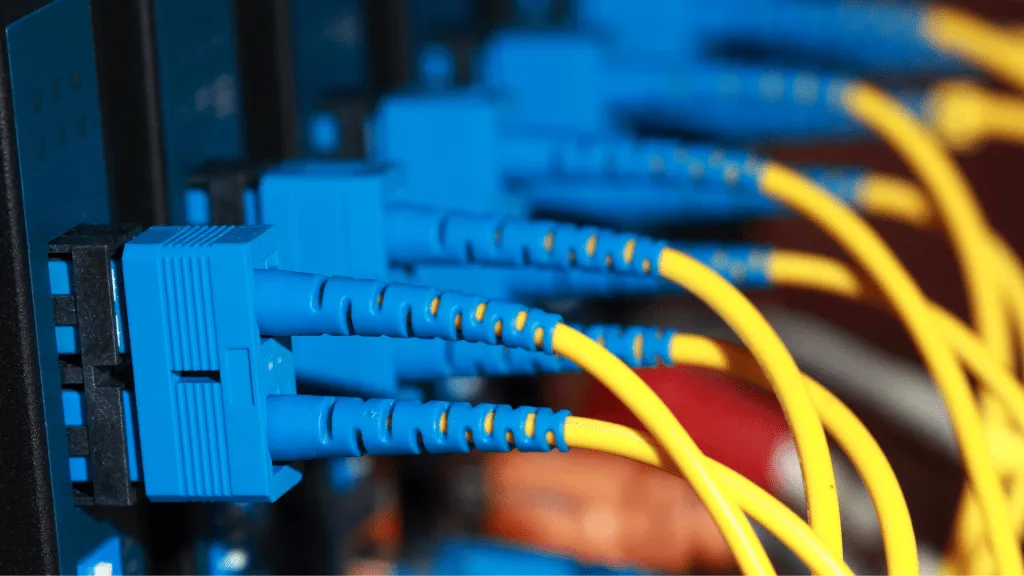
Reliable connectivity has become the backbone of modern business operations, especially in a region as fast-growing and competitive as the Triad area. From small offices to large industrial facilities, organizations depend on strong, well-structured cabling systems to keep communication smooth, secure, and uninterrupted. Without a properly designed network infrastructure, even the most advanced digital tools can fall short of their potential.
The demand for professional network cabling services continues to rise as businesses expand their digital operations. Whether it’s supporting cloud applications, VoIP systems, security cameras, or enterprise-level data transfer, structured cabling plays a crucial role in ensuring performance and stability. In the Triad area, companies are increasingly investing in high-quality cabling solutions to future-proof their operations and reduce downtime risks.
The Importance of Professional Network Cabling
Network cabling is more than just running wires through walls. It involves strategic planning, proper installation, testing, and long-term maintenance. A poorly installed cabling system can lead to slow data speeds, frequent connection drops, and costly repairs. On the other hand, a professionally designed system ensures efficiency, scalability, and long-term reliability.
Businesses in the Triad area often operate across multiple systems that require seamless integration. From servers and routers to switches and access points, every component depends on a stable cabling foundation. This is why structured cabling has become a standard practice in modern office environments.
A well-organized cabling system also improves troubleshooting efficiency. When issues arise, technicians can quickly identify and resolve problems without disrupting the entire network. This minimizes downtime and keeps business operations running smoothly.
Key Components of Structured Cabling Systems
A complete network cabling setup typically includes several essential components that work together to create a reliable infrastructure:
1. Entrance Facilities:
This is where external telecommunication services enter the building. Proper installation here ensures a clean transition from external providers to internal systems.
2. Backbone Cabling:
Often referred to as vertical cabling, this connects different floors or sections within a building. It plays a critical role in maintaining high-speed data flow across departments.
3. Horizontal Cabling:
This connects individual workstations, computers, and devices to telecommunications rooms. It is one of the most commonly used segments in office environments.
4. Telecommunications Rooms:
These serve as central hubs where network equipment such as switches and patch panels are organized and managed.
5. Work Area Components:
This includes the final connection points such as wall outlets, patch cords, and devices used by employees.
Each of these elements must be installed with precision to ensure maximum performance and reliability.
Benefits of Structured Network Cabling in the Triad Area
Businesses across the Triad region are recognizing the long-term benefits of investing in structured cabling systems. Some of the most important advantages include:
Improved Network Performance
High-quality cabling reduces latency and ensures faster data transmission. This is especially important for businesses that rely on cloud services, video conferencing, and large file transfers.
Scalability for Future Growth
As businesses expand, their network needs also increase. A structured cabling system allows easy upgrades without requiring complete system overhauls.
Reduced Maintenance Costs
Organized cabling systems make it easier to identify and fix issues, reducing maintenance time and expenses.
Enhanced Safety and Organization
Properly installed cables reduce clutter, minimize fire hazards, and create a cleaner working environment.
Better System Reliability
A strong cabling infrastructure ensures consistent connectivity, reducing the risk of unexpected downtime.
Common Challenges in Network Cabling Projects
Despite its importance, network cabling installation can present several challenges if not handled by professionals. Some common issues include poor cable management, incorrect installation techniques, and lack of proper testing.
Environmental factors such as building structure, interference from electrical systems, and outdated infrastructure can also impact performance. That’s why businesses in the Triad area are encouraged to work with experienced professionals who understand both technical requirements and local conditions.
Another major challenge is scalability planning. Many organizations fail to design their cabling systems with future growth in mind, leading to costly upgrades later.
Why Professional Installation Matters
Professional installation ensures that every component of the network cabling system is optimized for performance and durability. Certified technicians use industry-standard practices to design, install, and test cabling systems that meet modern business requirements.
From selecting the right cable type to ensuring proper labeling and documentation, every step is handled with precision. This not only improves system efficiency but also makes future maintenance easier and more cost-effective.
Businesses that attempt DIY installations often face hidden issues that only become apparent over time. These problems can lead to performance bottlenecks, security vulnerabilities, and increased operational costs.
Choosing the Right Network Cabling Partner
Selecting the right service provider is critical for ensuring long-term success. A reliable company should offer comprehensive services including design, installation, testing, and ongoing support. Experience in handling different types of commercial environments is also essential.
In the Triad area, businesses look for providers who understand local infrastructure requirements and can deliver customized solutions based on specific needs. Strong customer support and proven technical expertise are key factors in making the right choice.
For businesses seeking dependable and efficient solutions, For network cabling Triad area call Applied Telecom, Inc. They provide professional-grade installation services designed to support modern business demands and long-term scalability.
Conclusion
A strong and well-structured network cabling system is essential for any business aiming to succeed in today’s technology-driven environment. In the Triad area, where industries continue to grow and evolve, reliable connectivity is no longer optional—it is a necessity.
From improved performance and scalability to reduced maintenance costs and enhanced reliability, structured cabling offers long-term value that supports business growth. By investing in professional installation and planning, organizations can ensure their networks remain efficient, secure, and future-ready.
Ultimately, choosing the right partner for installation and support can make all the difference in achieving a stable and high-performing network infrastructure.