
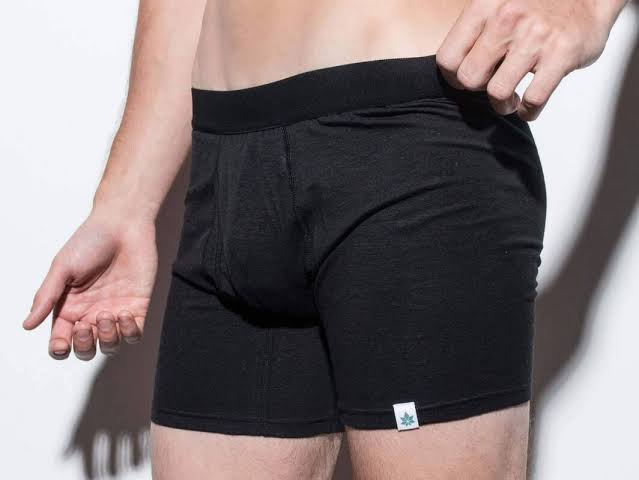
You pull on a new pair of hemp boxers. The tag promises “naturally antimicrobial.” Thirty minutes later, your skin burns. You feel lied to. Hemp underwear men are told to trust can often be harsh, not helpful.
This post unpacks what antimicrobial and hypoallergenic really mean. You’ll learn how to separate lab results from marketing fluff. Then you’ll get a checklist to spot underwear your skin will actually tolerate.
What “Antimicrobial” and “Hypoallergenic” Actually Mean for Fabrics
Fabric labels throw these words around. They rarely explain the science. Here’s what studies suggest and what gets left out.
Antimicrobial usually means a fabric resists bacteria growth. For hemp, this comes from its natural structure. Hemp fibers contain lignin and trace cannabinoids that some lab tests link to slowed bacterial spread. But a lab petri dish is not your sweaty waistband. In real wear, body heat and moisture can overwhelm that weak defense. Without a chemical finish, the effect fades fast after washing.
Hypoallergenic implies a lower chance of allergic reaction. No government standard defines this term for clothing. Most brands use it when they skip known irritants. Hemp is often called hypoallergenic because it lacks common protein allergens found in wool. Yet the fiber itself can feel coarse. That mechanical friction can trigger redness even without a true allergy. Softness matters just as much as the chemical profile.
If you shop for organic mens underwear, you often see both terms. But a certification like GOTS tells you more. It verifies the absence of formaldehyde, heavy-metal dyes, and harsh finishing resins. Those hidden chemicals cause more skin flares than the base fiber ever does.
Three Myths About Hemp Underwear for Sensitive Skin
Marketers repeat these claims. Your skin deserves the full story.
Myth: “All-natural fibers are automatically gentle.”
Natural does not equal soft. Raw hemp feels burlap-like. Even processed hemp can retain a scratchy texture. Men with eczema know that friction equals a rash. A smooth weave matters more than a plant origin story.
Myth: “Antimicrobial means you won’t smell or itch.”
Bacteria and odor link together, but antimicrobial fabric only slows growth. It doesn’t stop moisture. Damp skin—even against sterile fabric—leads to chafing and fungal issues. Your underwear must wick and dry fast. A lab claim won’t save you from swampy heat.
Myth: “Hemp is as soft as organic cotton.”
This one falls apart fast. Organic cotton, especially long-staple, feels like a broken-in tee from day one. Hemp softens only after dozens of washes. Those early wears can leave red marks on your inner thighs. You don’t have to suffer through a break-in period for basics.
A Criteria Checklist for Sensitive-Skin Underwear
Ignore the front of the package. Look for these five traits. Each one shields your skin from common trigger points.
GOTS-Certified Organic Cotton
This certification bans formaldehyde, chlorine bleach, and toxic dyes. Studies link those finishes to contact dermatitis. Without GOTS, “organic” on a label means little. The absence leaves you guessing about hidden irritants.
Truly Hypoallergenic by Construction
The fiber should be one you already tolerate. Organic cotton rarely triggers allergic reactions. It needs no chemical softeners. This makes it hypoallergenic underwear without relying on a marketing spin.
Zero Polyester or Petroleum-Based Fibers
Polyester traps heat and moisture against your skin. That warm, wet environment feeds yeast and bacteria. A 100% plant-based fabric lets the area breathe. Your skin stays drier and calmer.
No Added Chemical Finishes
Some brands spray antimicrobial or wrinkle-resistant chemicals. Those linger next to your most sensitive skin. Look for underwear that relies on fabric structure alone. If it needs a finish to perform, it’s a risk.
Soft, Long-Staple Fibers
Short, coarse fibers poke and scratch. Long-staple cotton threads create a smooth surface. You feel less friction with every step. For many men, organic mens underwear in a long-staple weave eliminates the redness that hemp can cause.
Flat, Tagless Seams
Raised seams and scratchy tags cause pinpoint irritation. Flatlock stitching sits almost flush. Tagless labels remove another source of constant rubbing. This small detail matters when dermatitis flares up.
Frequently Asked Questions
Is hemp underwear good for men with eczema?
It can be, but only if the weave is very fine and free of chemical finishes. Coarse hemp often worsens eczema through friction. Softer alternatives like organic cotton may work better from day one.
What underwear should men with sensitive skin avoid?
Avoid polyester, nylon, and any fabric with a chemical odor. Also skip fabrics labeled “wrinkle-free” or “antimicrobial finish.” These rely on resins that often cause allergic contact dermatitis.
Can antimicrobial hemp prevent jock itch?
No fabric prevents it entirely. Hemp may slow bacteria, but fungal infections like jock itch need dryness. A breathable, moisture-wicking fabric does far more. Opok designs non-toxic, GOTS-certified organic cotton activewear that avoids trapped moisture entirely.
How should you wash underwear for sensitive skin?
Use fragrance-free, dye-free detergent. Skip fabric softeners and dryer sheets. They coat fibers with a waxy residue that blocks breathability and can irritate reactive skin.
The Risk of Ignoring What Your Skin Needs
You keep wearing underwear that causes invisible stress. That daily friction and chemical exposure adds up. Skin conditions don’t always flare overnight. They simmer until a hot day or a long walk pushes them over the edge.
The market floods you with natural-sounding options. Most hide polyester or rely on unregulated claims. Waiting for a bad reaction to confirm your suspicions costs you comfort. It costs you sleep when itching keeps you awake.
Dermatologists see the same pattern. Men come in with inner-thigh rashes that vanish once they remove synthetic fabrics and harsh finishes. You can skip that appointment. You can choose materials your skin already knows how to handle.
Staying with the wrong underwear means you accept irritation as normal. It isn’t. Reactive skin is a signal. You can answer it with a construction that avoids triggers altogether. Don’t wait for the next flare-up to prove that you need a change.