
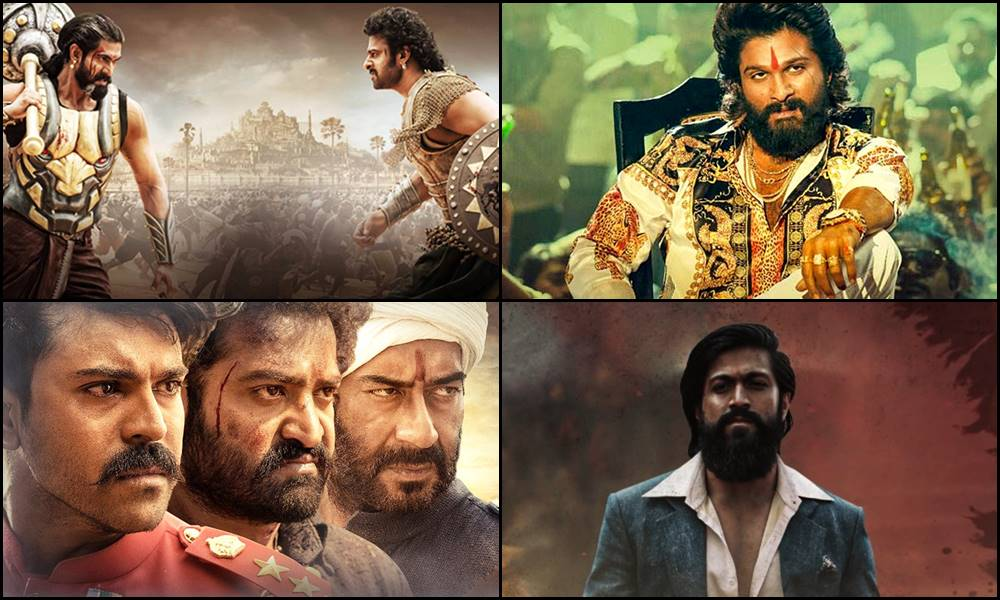
Ten years ago, the boundary between regional film industries and mainstream global cinema felt like a concrete wall. A movie made in Telugu, Kannada, or Malayalam stayed within its linguistic borders, occasionally getting a remake in Mumbai a few years later if the box office numbers were loud enough. Today, that wall hasn’t just cracked—it has been bulldozed. Audiences from Dhaka to Los Angeles are queuing up for first-day-first-show screenings of regional spectacles, proving that subtitles and dubbing are no longer barriers to a massive theatrical run.
Breaking the Language Monopoly
The shift didn’t happen by accident. For decades, big-budget commercial cinema relied on safe, urbanized formulas aimed at metropolitan multiplexes. Meanwhile, filmmakers in the South were doubling down on rooted folklore, larger-than-life mythology, and unapologetic mass heroism. When Baahubali and KGF arrived, they didn’t try to imitate Western action flicks. Instead, they leaned hard into local visual grammar—operatic slow-motion, thunderous background scores, and emotional stakes tied to family or soil.
Viewers who had grown tired of sterile, factory-made studio releases suddenly found something visceral. Whether it is the gritty forest smuggling syndicates of Pushpa or the folkloric mysticism of Kantara, the appeal lies in cultural specificity. Ironically, the more local a story feels, the more universal its emotional punch becomes.
How Digital Access Fueled the Fire
Theatrical releases get the headlines, but home viewing built the foundation for this movement. Years before pan-Indian films were shattering opening-day records worldwide, film buffs were discovering regional gems online through dubbed versions and fan-subtitled releases.When viewers want to catch up on missed regional blockbusters or check out the latest multi-audio releases in one organized place, platforms like MovieLinkBD have become a regular stop for cinema lovers who refuse to limit their watchlist to a single language.
Once audiences got a taste of Malayalam crime thrillers—where a low-budget police procedural can outsmart a hundred-million-dollar Hollywood script—there was no going back. Actors like Fahadh Faasil, Vijay Sethupathi, and Allu Arjun became household names far outside their home states simply because digital word-of-mouth travels faster than studio marketing budgets.
What Comes Next for Event Cinema
The danger of any gold rush is imitation. We are already seeing studios slap the “Pan-India” label onto half-baked action movies just by hiring actors from four different industries and releasing the trailer in five languages. Audiences are too sharp for that trick. A movie doesn’t become a phenomenon because of its budget or its multi-language poster; it connects because the director respects the audience’s appetite for high-stakes storytelling. As long as regional creators keep taking wild creative swings, the center of gravity in Asian cinema will continue to shift toward whoever tells the boldest story.