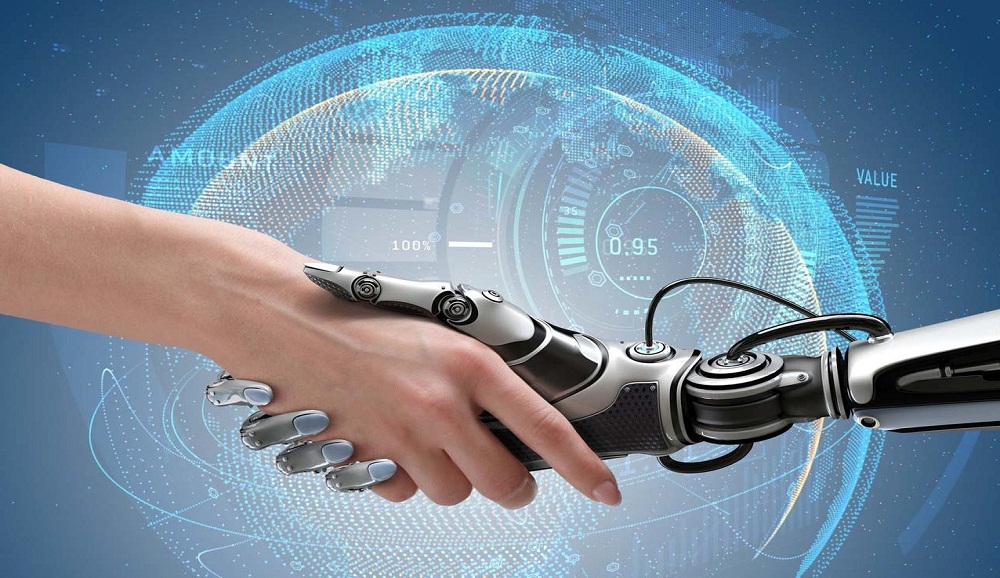
In today’s fast-paced business world, technology is no longer just a support function—it is the driving force behind innovation, efficiency, and growth. As companies adapt to digital transformation, staying ahead of tech-driven business trends is essential for maintaining competitiveness. From artificial intelligence to blockchain and cloud computing, several technologies are reshaping industries, creating new opportunities, and redefining the way we work.
1. Artificial Intelligence and Machine Learning
Artificial Intelligence (AI) and Machine Learning (ML) continue to dominate the technology landscape. Businesses are leveraging AI to automate processes, improve decision-making, and enhance customer experiences. From predictive analytics to intelligent chatbots, AI helps companies understand consumer behavior, optimize operations, and personalize services. For example, e-commerce platforms use AI algorithms to recommend products, while financial institutions rely on AI for fraud detection and risk management. As AI technology becomes more accessible, it is expected that more businesses, both large and small, will adopt AI-driven solutions to stay competitive.
2. Cloud Computing and Hybrid Solutions
Cloud computing has become a cornerstone for modern businesses. The ability to store, manage, and process data remotely allows organizations to be more flexible and scalable. Hybrid cloud solutions, which combine public and private cloud resources, offer businesses the agility to meet their specific needs while ensuring data security. Companies can quickly deploy new applications, support remote workforces, and reduce infrastructure costs. As more organizations migrate to the cloud, cloud-based tools will continue to drive business innovation and collaboration.
3. Internet of Things (IoT)
The Internet of Things (IoT) is connecting devices, systems, and users like never before. IoT-enabled devices provide real-time insights into business operations, supply chain management, and customer preferences. Smart sensors, wearable devices, and connected machinery are helping companies monitor performance, improve efficiency, and reduce operational costs. Retailers, for instance, use IoT for inventory management and personalized marketing, while manufacturing firms rely on IoT for predictive maintenance of equipment. The growing adoption of IoT presents opportunities for businesses to innovate and deliver enhanced value to customers.
4. Blockchain Technology
Blockchain is transforming the way businesses handle transactions and data. Known for its security and transparency, blockchain is no longer limited to cryptocurrencies. Industries such as finance, supply chain, and healthcare are leveraging blockchain for secure transactions, contract management, and data integrity. Smart contracts, enabled by blockchain, reduce the need for intermediaries, lower costs, and improve trust between parties. As blockchain matures, businesses that adopt it early will gain a significant competitive advantage in efficiency and security.
5. Automation and Robotics
Automation and robotics are reshaping how businesses operate, especially in manufacturing, logistics, and customer service. Automated workflows reduce repetitive tasks, minimize errors, and allow employees to focus on higher-value activities. Robotics Process Automation (RPA) is widely adopted in industries such as banking, insurance, and retail to streamline back-office operations. In warehouses, autonomous robots optimize inventory handling and delivery processes. Businesses embracing automation are better equipped to scale operations, improve productivity, and remain competitive in an increasingly digital environment.
6. Cybersecurity and Data Privacy
As technology adoption increases, cybersecurity and data privacy have become critical concerns for businesses. With cyber threats evolving rapidly, organizations must implement robust security measures to protect sensitive data and maintain customer trust. Trends in cybersecurity include AI-driven threat detection, zero-trust security models, and enhanced data encryption. Regulatory compliance, such as GDPR and CCPA, also emphasizes the importance of data protection. Companies that prioritize cybersecurity and data privacy not only safeguard their operations but also enhance their reputation and customer loyalty.
7. Remote Work and Digital Collaboration Tools
The pandemic accelerated the adoption of remote work, and digital collaboration tools have become essential for maintaining productivity. Tools such as project management platforms, video conferencing, and cloud-based document sharing are enabling seamless communication and collaboration across teams worldwide. Businesses are investing in technologies that support hybrid work models, ensuring employees remain connected, productive, and engaged. Companies that successfully implement these tools can reduce overhead costs, attract top talent, and foster a more flexible and inclusive work environment.
8. Green Tech and Sustainable Practices
Sustainability is increasingly influencing business strategies, and green technology is playing a vital role. Companies are adopting energy-efficient systems, reducing waste, and using technology to monitor environmental impact. From electric vehicles to smart buildings and renewable energy solutions, businesses are integrating sustainability into operations to meet regulatory requirements and satisfy environmentally conscious consumers. Green tech not only promotes corporate responsibility but also presents opportunities for innovation and long-term cost savings.
Conclusion
Technology continues to be the primary driver of business innovation and transformation. Companies that monitor and adopt these tech-driven trends—AI, cloud computing, IoT, blockchain, automation, cybersecurity, remote collaboration tools, and green tech—can enhance efficiency, improve customer experiences, and gain a competitive edge. Staying informed and agile is crucial, as the pace of technological advancement shows no signs of slowing down. By embracing these trends, businesses can position themselves for sustainable growth in the digital era.