Trees are valuable landscape features, but not every tree remains suitable for its location forever. A tree may become damaged, develop serious structural problems, interfere with planned construction, or occupy space needed for another purpose. When removal is justified, it can help property owners improve the usability of their outdoor areas.
Identifying Trees That Create Problems
Before arranging tree removal, property owners should determine why the tree is causing concern. A tree with extensive damage may present a safety issue, while another may simply interfere with a planned landscaping project.
Signs such as major trunk cracks, extensive dead wood, root damage, or a significant change in position may warrant professional evaluation. However, these symptoms do not automatically mean removal is necessary.
A qualified tree care professional can assess the tree’s condition and explain whether pruning, monitoring, or removal is the most appropriate option.
Creating Space for Outdoor Activities
Large trees can occupy significant portions of a yard. In some situations, removing a tree may create space for a patio, play area, garden, seating area, or expanded lawn.
The decision should consider both the benefits of the additional space and the advantages the tree currently provides. Mature trees offer shade, shelter, and visual interest that may be difficult to replace quickly. For tree cutting Lynchburg contact RMZ Tree Service,
Homeowners should consider whether selective pruning or an alternative layout could achieve their goals without removing a healthy tree.
Addressing Conflicts With Buildings
Trees growing too close to buildings can sometimes create maintenance challenges. Branches may contact roofs, obstruct gutters, or interfere with access around exterior walls.
Roots may also conflict with certain paved surfaces or underground infrastructure, although root-related damage depends on the species, soil conditions, and the type of structure involved.
Removal may be appropriate when a tree poses an unacceptable risk or cannot be managed through less extensive measures. Professional evaluation helps clarify the available options and the likely consequences of each approach.
Preparing for Construction and Renovation
Homeowners planning additions, driveways, garages, or major landscaping changes may need to reconsider the placement of existing trees.
Construction can damage roots and compact soil, potentially affecting tree health and stability. Removing a tree before a project may sometimes be preferable to leaving it in a location where its root system will be heavily disturbed.
However, healthy trees may be protected by local regulations or construction planning requirements. Property owners should check relevant rules before authorizing removal.
Understanding the Removal Process
The complexity of tree removal depends on its height, trunk diameter, condition, and proximity to structures. A tree in an open area may be easier to remove than one surrounded by buildings, fences, or utility lines.
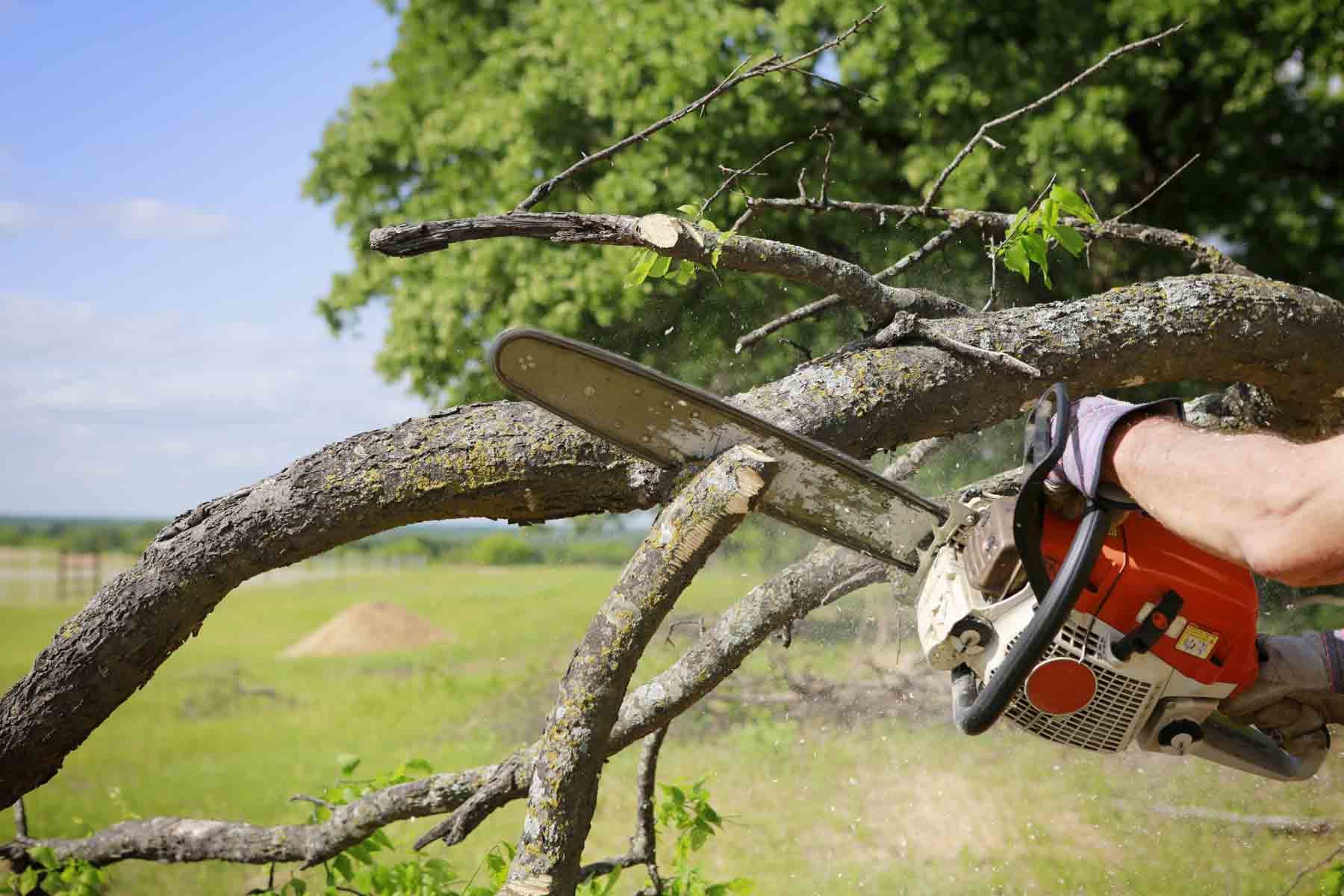
Professionals inspect the site and determine an appropriate removal method. They may cut the tree into controlled sections and use specialized equipment where necessary.
The estimate should explain whether branch removal, trunk cutting, debris hauling, and stump grinding are included. Clarifying these details in advance helps property owners plan the project.
Considering the Environmental Impact
Removing a tree changes the landscape and can reduce shade and habitat in the immediate area. Where practical, homeowners may consider planting a suitable replacement tree in another location.
Species selection matters. A replacement should be appropriate for the available space, sunlight, soil conditions, and expected mature size.
Property owners can also preserve other vegetation and protect nearby trees during the removal process. Thoughtful planning helps balance practical property needs with environmental considerations.
Restoring the Area After Removal
After the tree is removed, the site may require stump grinding, soil preparation, grading, or reseeding. The necessary work depends on the condition of the ground and the property’s intended use.
If the area will become a lawn, the soil may need to be filled and leveled. A garden project may require different soil preparation and planting decisions.
Discussing restoration with the tree service provider can help ensure that the final result meets the homeowner’s expectations.
Conclusion
Tree removal can improve property usability when a tree is hazardous, severely damaged, or incompatible with planned improvements. Careful assessment, responsible planning, and appropriate site restoration help homeowners make informed decisions. By considering both the practical benefits and the environmental value of trees, property owners can maintain outdoor spaces that suit their needs.