
Industrial equipment plays an important role in modern manufacturing, scientific research, and large-scale production. Businesses depend on reliable machinery to maintain productivity, meet quality requirements, and control operational expenses. However, equipment performance depends on more than mechanical design. The materials used in individual components also influence durability, efficiency, and long-term reliability.
As industrial processes become more specialized, manufacturers are paying greater attention to material characteristics. Selecting suitable materials can help reduce equipment failures, improve operating conditions, and support consistent production.
Understanding Material Requirements in Industrial Equipment
Every industrial application has different material requirements. Some components must withstand mechanical pressure, while others need resistance to heat, chemicals, or environmental exposure. Engineers must understand these conditions before selecting materials for equipment construction.
Material selection should consider operating temperature, expected service life, maintenance requirements, and compatibility with surrounding components. A material that performs well in one application may not be appropriate for another.
Businesses should also consider the complete operating environment rather than evaluating individual material properties separately. This approach helps prevent problems caused by unexpected interactions between different components.
How Specialized Materials Support Better Performance
Quartz is an important material in several specialized industrial applications. Certain forms of quartz glass and fused silica offer useful thermal and chemical characteristics, making them suitable for selected laboratory and manufacturing environments.
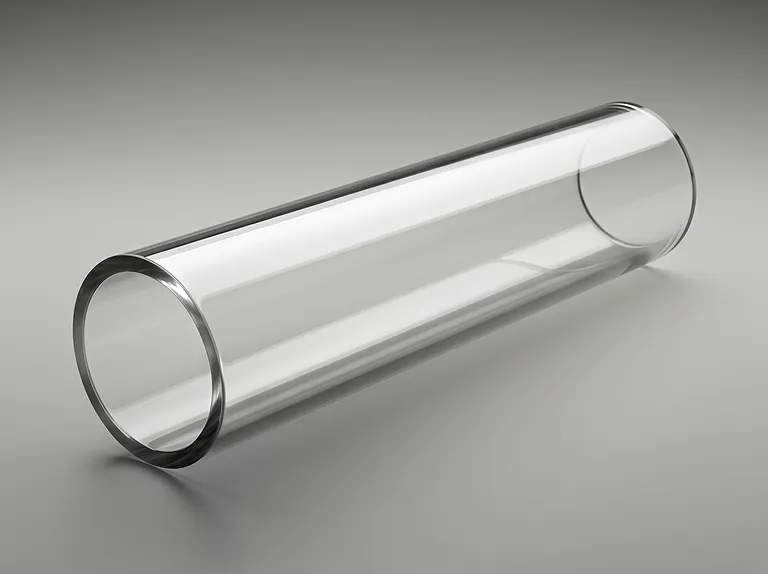
For example, custom quartz insulation rings Glass Tubes may be used in specialized equipment where transparency, thermal performance, and material compatibility are important. Their specifications should match the intended application, including temperature exposure, dimensions, and operating conditions.
The selection process should involve technical evaluation rather than relying only on general product descriptions. Manufacturers and equipment designers need accurate information to determine whether a particular component can perform reliably.
Improving Equipment Reliability Through Better Design
Equipment reliability depends on how effectively individual components work together. Poorly designed connections, unsuitable mounting arrangements, and incompatible materials can create unnecessary stress during operation.
Engineers should evaluate mechanical support, component dimensions, thermal expansion, and installation procedures during the design stage. Proper engineering documentation also helps maintenance teams understand equipment requirements.
Computer-aided design tools allow manufacturers to examine equipment configurations before production. These tools can help identify potential conflicts and reduce expensive design changes.
Another important consideration is accessibility. Components that require regular inspection should be positioned so maintenance employees can examine them without dismantling unnecessary sections of the equipment.
Maintenance Practices That Protect Industrial Investments
Preventive maintenance is essential for protecting industrial equipment. Regular inspections can identify cracks, surface damage, loose connections, insulation deterioration, and other problems before they cause unexpected shutdowns.
Maintenance schedules should reflect operating conditions and manufacturer recommendations. Equipment operating continuously under demanding conditions may require more frequent inspections than machinery used occasionally.
Businesses should maintain detailed records of maintenance activities. These records help identify recurring problems and support decisions about replacement components.
Employee training is equally important. Workers should understand equipment limitations and know how to report unusual operating conditions.
Preparing Industrial Systems for Future Challenges
Industrial technology continues to develop as manufacturers introduce new production methods and increasingly specialized equipment. These changes create additional requirements for materials, engineering design, and maintenance planning.
Businesses should regularly evaluate whether their existing equipment can support future production needs. Investing in suitable components and updated monitoring systems can improve long-term performance.
Ultimately, reliable industrial equipment requires a combination of appropriate materials, effective engineering, consistent maintenance, and skilled employees. Companies that prioritize these factors can reduce operational risks, improve productivity, and maintain dependable manufacturing systems.