
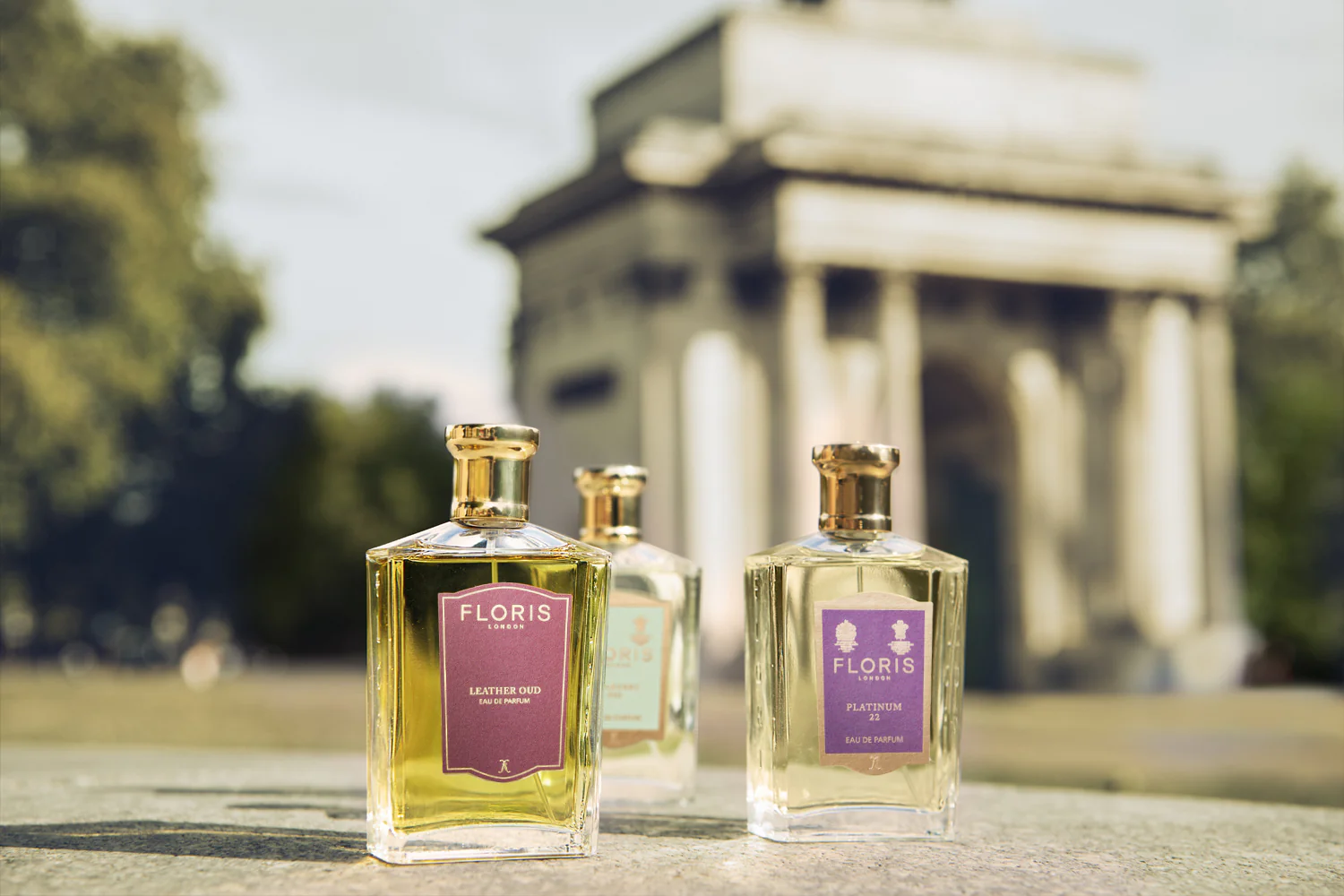
Perfumes have fascinated humanity for Luxury Fashion Brands thousands of years, weaving themselves into culture, memory, and personal identity. From ancient rituals to modern luxury, fragrances play a powerful role in how people express themselves and connect with others. A single scent can evoke deep emotions, recall forgotten memories, or even define a person’s presence. In today’s world, perfumes are more than just pleasant aromas—they are an essential part of lifestyle and individuality.
The Origins of Perfume
The art of perfumery dates back to ancient civilizations such as Egypt, Mesopotamia, and the Indus Valley. Early perfumes were often made from natural ingredients like flowers, herbs, spices, and resins. The ancient Egyptians used fragrances in religious ceremonies, believing that scents could connect them with the divine. Oils infused with aromatic plants were also used for personal grooming and burial rituals.
As time progressed, the knowledge of perfume-making spread to regions like Persia and Rome. The development of distillation techniques allowed for more refined and complex fragrances. During the Renaissance in Europe, perfumes became popular among the elite, symbolizing wealth and sophistication. Today, the perfume industry is a global phenomenon, blending tradition with cutting-edge science.
The Science Behind Fragrance
Perfumes are carefully crafted mixtures of aromatic compounds, solvents, and fixatives. These elements work together to create a balanced scent that evolves over time. A typical perfume consists of three layers known as notes: top notes, middle notes, and base notes.
Top notes are the initial scents you smell immediately after applying a perfume. They are usually light and fresh, often featuring citrus or herbal tones. Middle notes, also called heart notes, emerge once the top notes fade and form the core of the fragrance. These are often floral or fruity. Base notes are the final stage, providing depth and longevity with richer scents like musk, vanilla, or wood.
The harmony between these notes determines the uniqueness and appeal of a perfume. Skilled perfumers, often referred to as “noses,” spend years mastering the art of combining ingredients to create memorable fragrances.
Types of Perfumes
Perfumes come in various concentrations, which affect their strength and longevity. The most concentrated form is parfum, containing the highest percentage of aromatic oils and lasting the longest. Eau de parfum is slightly lighter but still offers strong, long-lasting fragrance. Eau de toilette and eau de cologne are more diluted, making them suitable for everyday use or warmer climates.
Each type serves a different purpose, allowing individuals to choose based on occasion, mood, or personal preference. For example, a light citrus scent might be perfect for daytime wear, while a deep, woody fragrance may be better suited for evening events.
Perfume as Personal Expression
One of the most intriguing aspects of perfumes is their ability to reflect personality. Just as clothing and accessories express style, fragrance communicates mood and identity. Some people prefer fresh and clean scents, while others gravitate toward bold and exotic aromas.
Perfumes can also become part of a person’s signature, leaving a lasting impression on those they encounter. A familiar scent can instantly remind someone of a loved one or a special moment. This emotional connection makes perfume a deeply personal choice.
Moreover, the same fragrance can smell different on different individuals due to body chemistry. Factors like skin type, diet, and environment influence how a perfume develops, making each experience unique.
The Role of Perfume in Modern Life
In today’s fast-paced world, perfumes have become an essential part of daily routines. A quick spritz before heading out can boost confidence and enhance one’s presence. Fragrances are widely used in professional settings, social gatherings, and special occasions.
The perfume industry has also evolved to cater to diverse preferences. There are now niche brands that focus on unique, artisanal scents, as well as mainstream labels that offer popular, widely recognized fragrances. Sustainability and ethical sourcing have become important considerations, with many brands striving to use natural ingredients and eco-friendly packaging.
Additionally, perfumes are no longer limited to personal use. They are incorporated into products like candles, diffusers, and skincare items, creating a multi-sensory experience in homes and public spaces.
Choosing the Right Perfume
Selecting the perfect perfume can be both exciting and challenging. It involves exploring different scent families such as floral, oriental, woody, and fresh. Testing a fragrance on the skin rather than relying solely on paper strips is essential, as it allows the scent to interact with body chemistry.
It is also important to consider the occasion and season. Light, refreshing scents are ideal for summer, while warmer, richer fragrances suit colder months. Taking time to understand personal preferences can help in finding a fragrance that truly resonates.
Conclusion
Perfumes are much more than simple fragrances; they are a blend of art, science, and emotion. From their ancient origins to their modern-day significance, perfumes continue to captivate people across cultures and generations. They have the power to tell stories, evoke memories, and enhance individuality in subtle yet profound ways.
Whether used as a daily accessory or reserved for special moments, perfumes remain a timeless symbol of elegance and self-expression. In a world where first impressions matter, the right fragrance can leave an unforgettable mark—one that lingers long after the moment has passed.