
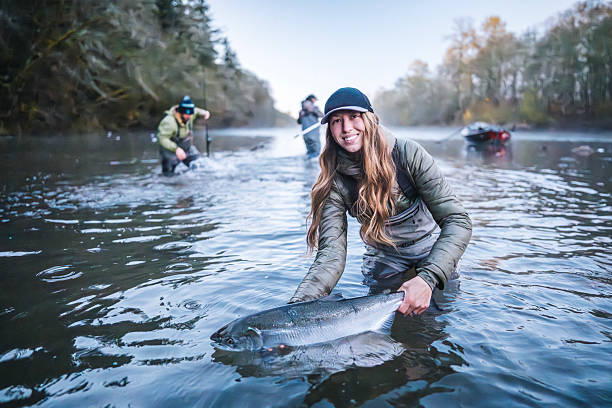
Fishing is one of the most relaxing and rewarding outdoor activities for people who enjoy spending time in nature. It can be enjoyed at lakes, rivers, ponds, coastal areas, and other suitable waterways. Whether someone fishes as a hobby, enjoys the challenge of catching different species, or simply wants a peaceful break from a busy routine, fishing offers an experience that combines patience, skill, and outdoor adventure.
Getting Started With Fishing
One of the appealing aspects of fishing is that beginners do not need an extensive collection of equipment. A basic fishing rod, reel, suitable line, hooks, bait, and a few essential accessories can be enough to get started.
Choosing equipment based on the type of fishing is important. Freshwater fishing, saltwater fishing, fly fishing, and other techniques may require different rods, reels, lines, and lures. Beginners can start with simple gear and gradually build their equipment as they gain experience.
Choosing the Right Fishing Location
Location can have a major impact on the fishing experience. Different bodies of water contain different species, and fish behavior can change depending on weather, season, water temperature, and available food.
Before visiting a new fishing spot, it is useful to learn about local conditions and regulations. Some areas may have restrictions regarding fishing seasons, permitted species, catch limits, or equipment. Understanding these rules helps anglers enjoy the activity responsibly.
Understanding Basic Fishing Techniques
Successful fishing involves more than simply casting a line into the water. Learning how fish respond to weather, water movement, depth, and bait can improve an angler’s chances of success. Pullin Drag Striper Fishing Guide Charter does fishing charters Smith Mountain Lake.
Common techniques include casting with artificial lures, using live bait, bottom fishing, and trolling. Each method has its own advantages, and experimenting with different approaches can help anglers discover what works best in a particular environment.
The Importance of Patience
Fishing teaches patience in a way that few other recreational activities do. Some days may produce several catches, while other trips may involve long periods of waiting. Rather than focusing only on the result, many anglers enjoy the peaceful environment and time spent outdoors.
Being patient also encourages anglers to observe their surroundings. Changes in water movement, bird activity, weather, and other natural signs can provide useful clues about fish behavior.
Responsible Fishing Practices
Protecting waterways and fish populations is an important part of responsible fishing. Anglers should follow local regulations, avoid leaving fishing line or other waste behind, and handle fish carefully when practicing catch and release.
Keeping the environment clean helps preserve natural habitats for future generations. Respecting other anglers and nearby wildlife also contributes to a better outdoor experience.
Benefits of Fishing
Fishing can provide several lifestyle benefits. Spending time outdoors can offer a welcome break from screens and daily responsibilities. The activity also encourages focus, movement, observation, and connection with nature.
For families, fishing can be an enjoyable way to spend quality time together. Experienced anglers can teach younger participants about equipment, safety, wildlife, and environmental responsibility.
Final Thoughts
Fishing is more than simply catching fish. It is an outdoor activity that combines relaxation, learning, patience, and adventure. With basic equipment, a suitable location, and an understanding of responsible fishing practices, beginners can enjoy the experience while experienced anglers can continue developing their skills. Whether practiced alone or with friends and family, fishing offers a simple way to reconnect with nature and enjoy time outdoors.