
Building a recognizable brand is an important part of running a successful business. Customers often form their first impression based on how a company presents itself, from its website and storefront to its promotional materials and customer communications. A consistent and professional appearance can make a business look more reliable while helping it stand out in a competitive market.
Creating a Consistent Brand Identity
A strong brand identity begins with a clear understanding of what a business represents. Its logo, colors, typography, messaging, and overall visual style should communicate a consistent image across different platforms.
For example, a company that focuses on premium products may choose a simple design with elegant typography and carefully selected colors. A family-oriented business might prefer a warmer visual style that feels friendly and approachable.
Consistency matters because customers become familiar with repeated visual elements. When the same branding appears on business cards, packaging, advertisements, and digital platforms, people can recognize the company more easily.
Why First Impressions Matter
Customers frequently evaluate a business before making contact or purchasing a product. An organized storefront, attractive packaging, and professionally prepared documents can communicate attention to detail.
Printed marketing materials remain useful because they provide customers with something physical to read, keep, and share. Brochures can explain services, flyers can promote special offers, and business cards make it easier to exchange contact information during meetings or networking events.
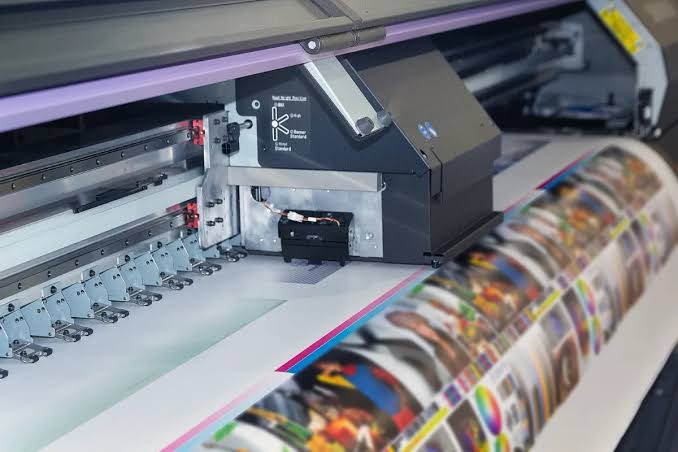
A reliable printing service can help businesses produce these materials with suitable paper, accurate colors, and professional finishing. Selecting the right format and design ensures that each item supports the company’s overall brand identity.
Designing Marketing Materials That Communicate Clearly
Good marketing materials should make information easy to understand. A brochure filled with too much text or a flyer with poorly organized details may discourage people from reading it.
Businesses should identify the main message before beginning the design process. Important information, such as the company name, services, contact details, and promotional offers, should be presented in a clear visual order.
High-quality images and readable fonts can improve the overall presentation. However, decorative elements should not distract from the message. A balanced layout usually creates a more professional result than a design containing too many colors, shapes, and different typefaces. For printing Lynchburg check out Bright Images Print & Media Services.
Understanding the Value of Business Stationery
Business stationery is another important part of professional communication. Letterheads, envelopes, invoices, presentation folders, and branded documents help maintain a consistent appearance when dealing with customers, suppliers, and business partners.
Even small details can influence how a company is perceived. A properly designed invoice looks more organized, while a branded presentation folder can make a business meeting feel more professional.
New businesses can begin with a few essential stationery items and expand their collection as their needs grow. This approach allows them to maintain consistency without spending unnecessarily on materials they rarely use.
Combining Traditional and Digital Marketing
Modern businesses do not need to choose between printed advertising and digital promotion. Both approaches can support each other when used strategically.
For instance, a printed brochure can include a QR code that directs customers to a website, online catalog, or social media page. A business card can display a website address, making it easy for potential customers to learn more about the company.
Local businesses may also distribute flyers in relevant neighborhoods while promoting the same offer through social media. Using consistent messaging across both channels helps create a connected marketing experience.
Planning Marketing Expenses Wisely
Every business has a marketing budget, and spending decisions should support clear objectives. Before ordering promotional materials, companies should determine how many items they need, who will receive them, and what response they hope to generate.
Ordering larger quantities may reduce the cost per item, but excessive printing can lead to wasted materials if contact details, prices, or offers change. Reviewing designs carefully before production helps avoid unnecessary reprints.
It is also useful to compare material options and finishing methods to find a balance between quality and affordability.
Building a Brand Customers Remember
A professional brand develops through consistent communication and attention to detail. By maintaining a recognizable visual identity, preparing useful marketing materials, and presenting information clearly, businesses can create stronger connections with their audiences. Thoughtful branding does not always require a large budget; even simple improvements can help a company appear more organized, trustworthy, and memorable.