
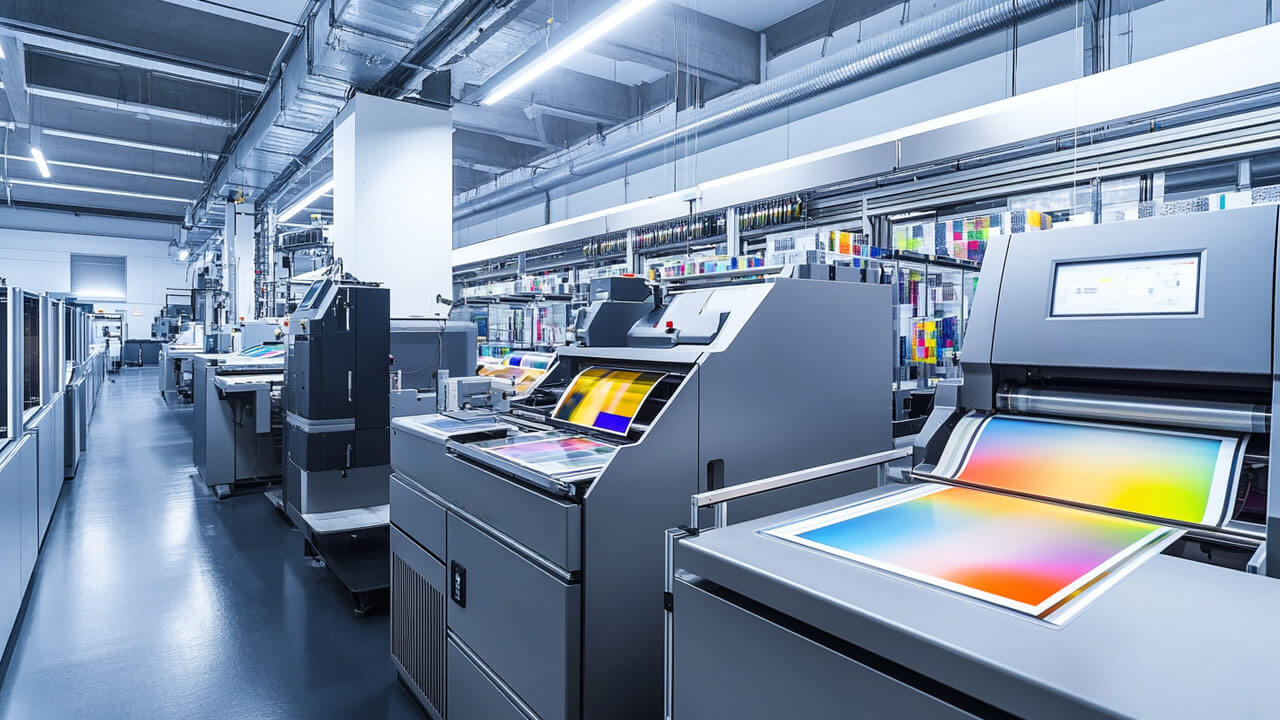
Printing is one of the most important technologies in human history, allowing information, images, and designs to be reproduced on paper and other materials. From books and newspapers to business cards and packaging, printing plays a major role in communication, education, marketing, and industry. Even in the digital age, printing remains essential in both personal and professional environments.
One of the most common types of printing is offset printing. This method is widely used for large-scale production such as newspapers, magazines, brochures, and books. Offset printing works by transferring ink from a plate to a rubber blanket and then onto the printing surface. It is known for producing high-quality, consistent results at a low cost per unit when printing in bulk.
Digital printing is another popular method that has grown significantly in recent years. Unlike offset printing, digital printing does not require printing plates. Instead, it prints directly from digital files, making it faster and more flexible. This method is ideal for small print runs, personalized materials, and on-demand printing such as flyers, business cards, and customized products.
Screen printing is commonly used for printing designs on fabrics, clothing, posters, and promotional items. This technique involves pushing ink through a mesh screen onto the printing surface. Screen printing is especially popular in the fashion and merchandise industries because it produces bold, durable, and vibrant designs that last a long time.
Printing plays a crucial role in business and marketing. Companies use printed materials such as brochures, banners, posters, and packaging to promote their products and services. High-quality printed marketing materials help attract customers, build brand identity, and communicate important information effectively. Even with digital advertising, print marketing remains a powerful tool for many businesses.
Packaging printing is another important area of the printing industry. Product packaging often includes labels, branding, instructions, and legal information. Attractive and well-designed packaging helps products stand out on store shelves and influences customer buying decisions. Printing technology allows manufacturers to create colorful and detailed packaging for a wide range of products.
The printing industry also supports education and publishing. Books, textbooks, worksheets, and educational materials are essential for schools and universities. Printing makes it possible to distribute knowledge widely and affordably. Although digital books are becoming more common, printed materials are still widely used for learning and reference.
Modern printing technology has also become more environmentally friendly. Many printing companies now use recycled paper, eco-friendly inks, and energy-efficient machines to reduce environmental impact. Sustainable printing practices help reduce waste and support environmental conservation while still meeting customer needs.
3D printing is a newer innovation that has transformed the printing industry. Unlike traditional printing, 3D printing creates physical objects layer by layer using digital models. It is used in manufacturing, healthcare, engineering, and product design. 3D printing allows for rapid prototyping and customization, making it a valuable tool in modern innovation.
Printing services are available in many forms, from small local print shops to large commercial printing companies. These services help individuals and businesses produce customized materials quickly and efficiently. Whether it is printing wedding invitations, corporate documents, or promotional materials, professional printing services ensure high-quality results.
In conclusion, printing remains an essential part of modern life despite advances in digital technology. From traditional methods like offset and screen printing to modern innovations like digital and 3D printing, the industry continues to evolve. Printing supports communication, business, education, and creativity, making it a vital tool in today’s world.