The towing industry is undergoing its most radical transformation since the invention of the hydraulic boom. What was once a purely mechanical trade defined by horsepower and steel chains is rapidly evolving into a high-tech ecosystem.
Modern fleets are integrating next-generation innovations to keep pace with an automotive landscape dominated by electric vehicles (EVs) and smart technology. If you think a tow truck is just a heavy vehicle with a winch, the industry today looks like science fiction put into motion.
The EV Revolution and Specialized Recovery
The mass adoption of electric vehicles has completely rewritten the rulebook for roadside assistance. Traditional towing methods—like lifting the drive wheels off the ground while the others roll—can permanently damage or “brick” an EV’s high-voltage battery system or fry sensitive electric motors if the wheels spin freely.
To adapt, modern tow truck providers are investing heavily in:
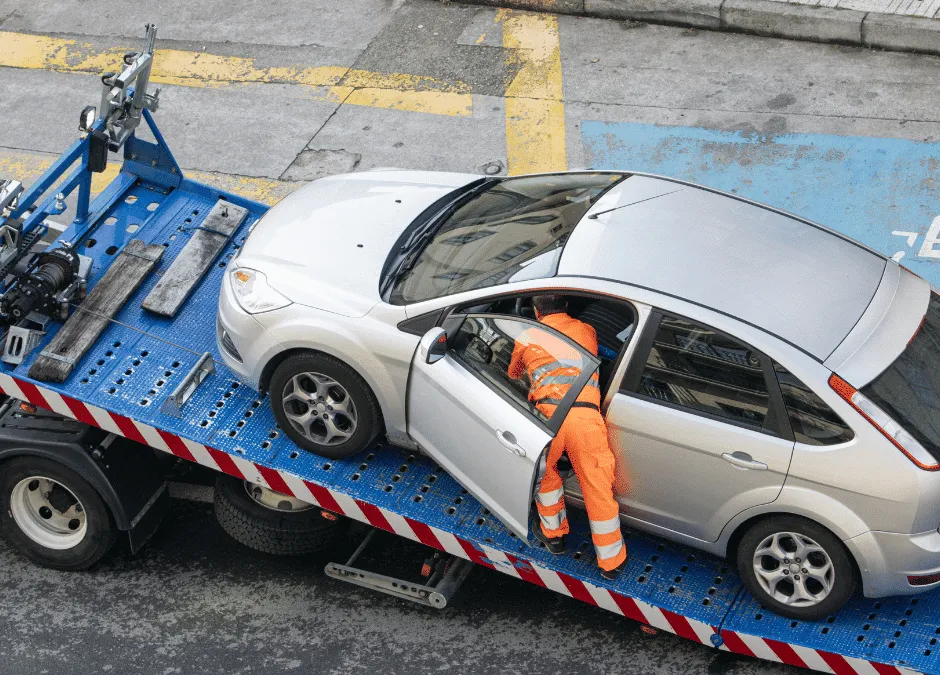
- EV-Compatible Flatbeds: Utilizing specialized hydraulic tilt decks and specialized wheel-strap tie-downs that secure the vehicle without putting pressure on sensitive undercarriage battery packs.
- All-Wheel-Drive Dollies: Advanced roll-on dollies that allow operators to lift and transport complex drivetrains safely.
- Mandatory EV/ADAS Certifications: Operators are undergoing rigorous training to handle Advanced Driver-Assistance Systems (ADAS) containing delicate LiDAR, radar, and camera arrays that can easily be knocked out of calibration during recovery.
AI, Telematics, and Smart Dispatching
The digital transformation inside the cab of a contemporary tow truck is just as impressive as the changes under the hood. Dispatching is no longer a matter of frantically flipping through paper logs and shouting addresses over a scratchy two-way radio.
- Digital Dispatch Systems (DDS): Calls are routed instantly via cloud-based software straight to a driver’s mobile tablet, matching the exact capabilities needed (like flatbed vs. heavy-duty) with the closest available unit.
- AI-Powered Routing and Fleet Telematics: Internet of Things (IoT) sensors monitor everything from tire pressure and winch cable tension to real-time traffic and weather patterns, helping operators navigate congested urban corridors safely and shave precious minutes off emergency response times.
- Real-Time Customer Tracking: Much like a rideshare app, modern platforms allow stranded motorists to watch their assigned tow truck navigate to their exact GPS coordinates in real-time, drastically reducing the anxiety of waiting on a dark roadside.
Semi-Autonomous Features and Operator Safety
Working the shoulder of a high-speed interstate is one of the most dangerous jobs in the world. To protect operators, manufacturers are introducing semi-autonomous technology to minimize the time workers spend exposed to fast-moving traffic.
Remote-controlled hydraulic winches, automated self-loading forks, and AI-assisted alignment cameras let drivers secure a vehicle with greater precision while standing at a safe distance.
The humble tow truck has evolved from a simple mechanical rescue vehicle into a smart, connected, and sustainable lifeline for our changing roadways.