
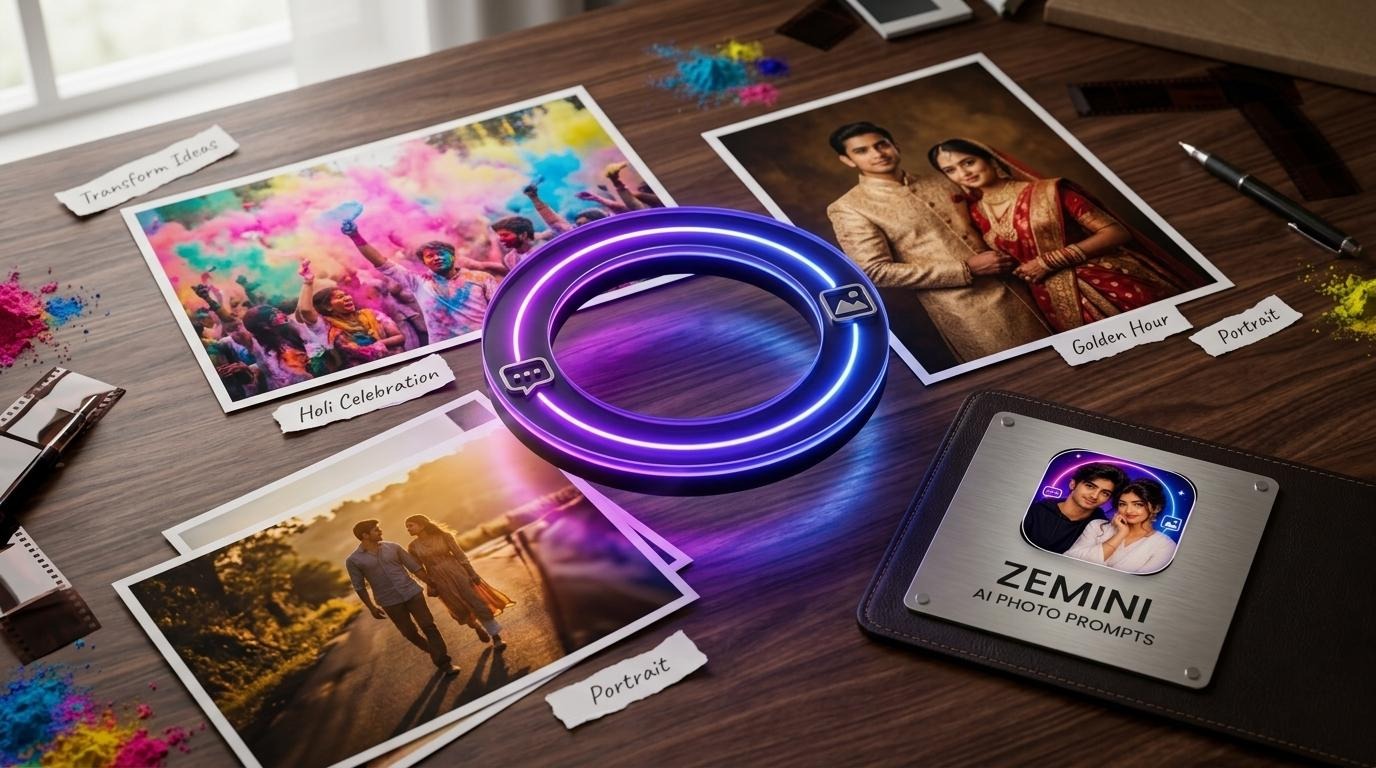
The digital art landscape is experiencing a massive shift driven by generative artificial intelligence. For photographer, graphic designer, and hobbyist alike, the traditional workflow of spending hours fine-tuning lighting layers or manually airbrushing textures is evolving. Today, a new creative superpower has emerged: the ability to speak the language of algorithms. By learning how to translate a visual concept into descriptive text, creators can now generate stunning, indexable visual assets in a fraction of the time.
However, moving from a generic AI generation to a flawless, hyper-realistic image requires more than just luck. It demands structure, technical terminology, and a deep understanding of how text-to-image software interprets human intent.
The Anatomy of a High-Quality Visual Prompt
Many creators experience frustration when first using artificial intelligence for image generation. They type a simple phrase like “a beautiful woman in a crowd” and receive an image that looks flat, unnatural, or overly digital. The secret to unlocking professional-grade results lies in providing the model with explicit environmental and technical boundaries.
A professional-grade description requires a deliberate balance of three core pillars:
- The Subject and Action: Detail exactly who or what is the focus of the image, including expression, clothing, and posture.
- The Environment and Atmosphere: Describe the setting, weather conditions, architectural styles, and color palettes.
- Technical Camera Directives: Specify real-world photography terms such as focal length, aperture settings, shutter speeds, and specific lighting rigs.
For creators looking to generate complex, photorealistic imagery on the go, utilizing specialized mobile tools can drastically shorten the learning curve. Using a dedicated gemini ai photo prompt application allows you to instantly pull pre-engineered formulas for high-end photography, helping you bypass the trial-and-error phase entirely. These formulas act as a direct bridge between your raw concept and the exact technical syntax the AI needs to see.
Elevating Mobile Photo Editing and Concept Art
Beyond standalone image generation, artificial intelligence has completely reimagined the world of photo editing and manipulation. Traditional mobile editing apps used to be limited to basic filters and contrast adjustments. Modern workflows, however, rely heavily on AI-assisted tools that can intelligently expand backgrounds, remove complex objects seamlessly, or re-light a portrait entirely from scratch.
To truly excel at this hybrid form of digital creation, mastering a precise ai photo prompt is essential. When you know how to phrase instructions for editing engines, you can cleanly dictate changes like “add cinematic volumetric fog behind the subject” or “change the harsh midday sunlight to a warm golden hour glow.” This level of control shifts the creator’s role from a passive editor to a true digital director.
Crafting Dramatic Cinematic Portraits
Cinematic portraits are among the most sought-after styles in digital media today. They rely on high contrast, shallow depth of field, and rich storytelling elements to evoke a powerful emotional response from the viewer. Achieving this aesthetic through AI requires you to write like a cinematographer.
Instead of asking for a “dark portrait,” specify a “low-key chiaroscuro lighting style with dramatic shadows framing the subject’s face.” To replicate authentic camera hardware, explicitly reference an “85mm lens shot at an f/1.4 aperture.” These precise descriptions tell the rendering engine to create a razor-sharp subject while naturally blurring out the background into a soft, beautiful bokeh. The result is a portrait that carries the weight, depth, and character of a Hollywood film still.
Capturing the Energy of Realistic Festival Images
On the opposite end of the spectrum from intimate portraits are grand, dynamic scenes like festivals, concerts, and crowded street markets. These environments present a unique challenge for artificial intelligence because they contain hundreds of moving variables, neon lights, and complex crowds.
To generate a realistic festival image that avoids the dreaded “uncanny valley” look, focus heavily on motion and light dispersion. Instruct the engine to capture “lens flare from overlapping neon stage lights” and specify a “fast shutter speed to freeze the motion of dust particles and confetti in mid-air.” By anchoring the AI with realistic physics and believable imperfections—like moisture on skin or lens artifacts—the final image retains a raw, documentary-style authenticity.
Navigating the Future of Digital Creation
As algorithmic image models continue to advance, the barrier between a creator’s imagination and a finished piece of high-resolution art is completely vanishing. The talent is no longer just in the physical execution, but in the clarity of the vision and the precision of the vocabulary used to describe it. By learning to combine the classic rules of physical photography with advanced text commands, modern digital artists can stay ahead of the curve and produce stunning, indexable content for years to come.